
External Dangers
Bears
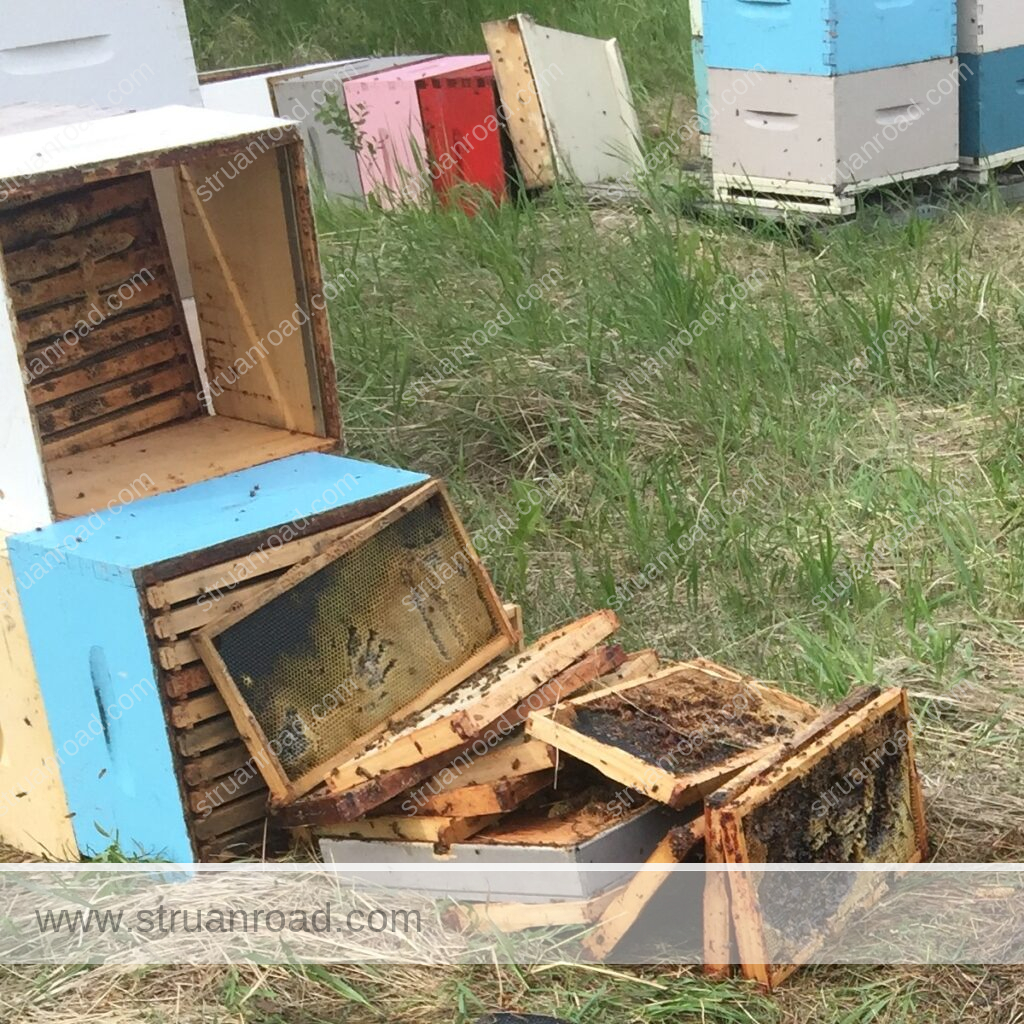
Bears like honey, but they love brood. Bears rip open winter wraps, knock over hives and destroy comb and equipment. A hives chances of survival are minimal once a bear has gone through it. Bears are not just a northern or isolated area problem. Our hives are just west of Saskatoon and we have bears. We have also had bear problems within 1/4 mile of farm houses. The solution to bears is an electric fence. Trapping is also used but it is no guarantee there are not more.
We use six volt solar-powered fence chargers, t-stakes for the corners, step in posts for the lengths, electric fence tape for the wires and plastic gate handles for the gates. Do not forget the grounding rod.
Saskatchewan Crop Insurance Corporation has coverage for bear damage to honey bees as well as financial help with bear fencing costs. These programs are run through the Saskatchewan Beekeepers Development Commission.
Cattle and Deer
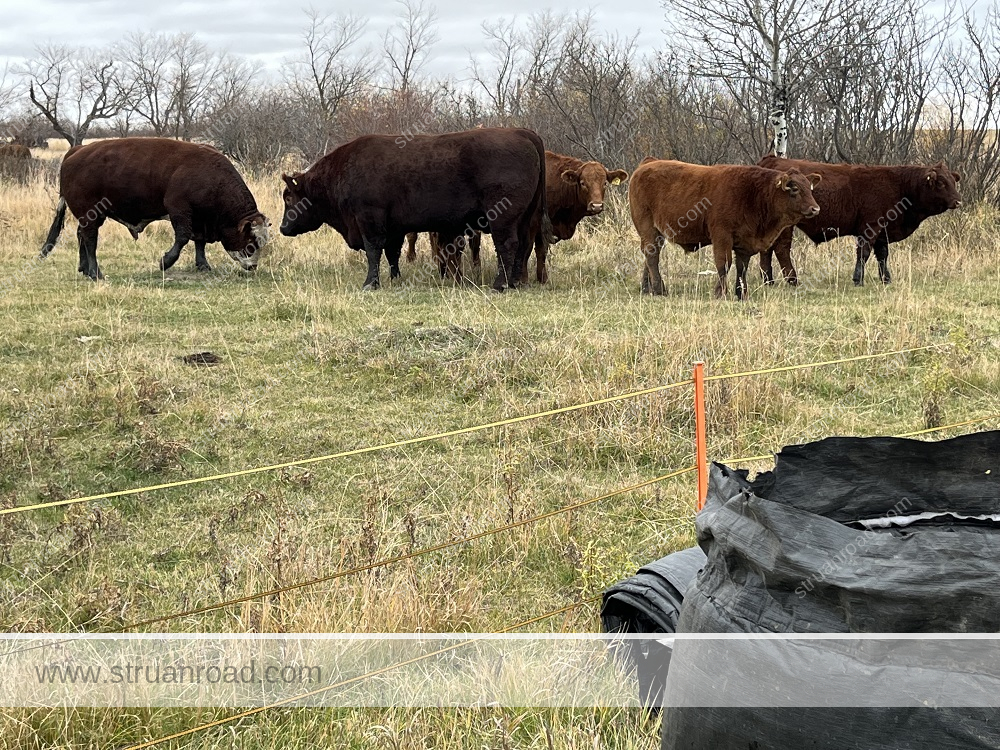
Cattle and members of the deer family, especially moose can cause damage to bee hives. They like to use the hives as scratching posts and knock them around, sometimes tipping them over. The solution again is electric fencing.
Skunks
Skunks not only smell bad, they are a real danger to bee hives. One of skunks natural foods are bees. They can eat a pound of bees in a night. It does not take long for a skunk to severely weaken of kill a hive. Skunks scratch at the front entrance and gobble the bees as they come out to investigate.
Signs you may have a skunk problem:
- Scratch marks by the hive entrance or on the ground in front of the hive
- Entrance reducers pulled out of place
- Winter wraps torn by the entrance
- aggressive bees, from being disturbed
- the smell, although there is not always an odor
The best way to get rid of skunks is by trapping, either live traps or body gripper traps. Live traps are best used when there is a possibility of catching non targeted species like cats. Live traps should only be used when they can be inspected daily. If you catch a skunk and want to release it, cover the trap with a blanket so as to not get sprayed. Body traps are deadly and do not always just trap skunks. They should be housed in a box that is just bigger than the trap to avoid catching larger species. There needs to be slits in the sides of the trap box to accommodate the springs.
Mice
Mice damage winter wraps, stored comb and hives. Hives are warm and mice find them irresistible when the weather gets cold. To prevent mice from entering hives, put entrance reducers on the hives when it starts getting cold. Mice will make nests in hives even when there are bees, chewing the comb and foundation and making a mess. Mice also like to live in winter wraps, chewing holes and pulling out insulation to make nests. Mice will also do the same to stored supers and comb.
The solutions to mice are entrance reducers, and poison, under wraps or by stored equipment. In the summer when the hives are strong, they will repel or kill the mice themselves.
Wasps and Hornets
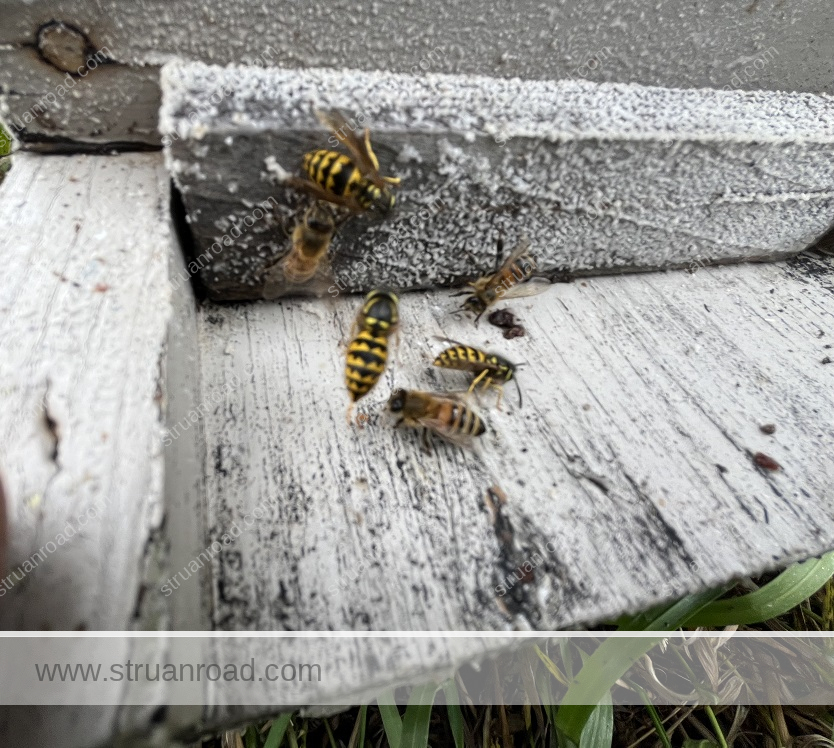
Wasps and hornets are a growing problem. They rob honey, eat brood and bees and even kill queens, in the hive and on mating flights. They weaken and kill hives. There seems to me more wasps and hornets every year. Wasps and hornets build there nests either in hanging paper nests or in the ground, depending on the species. Hanging nests can be destroyed, if you can find and reach them, by knocking them down. Wear your bee suit.
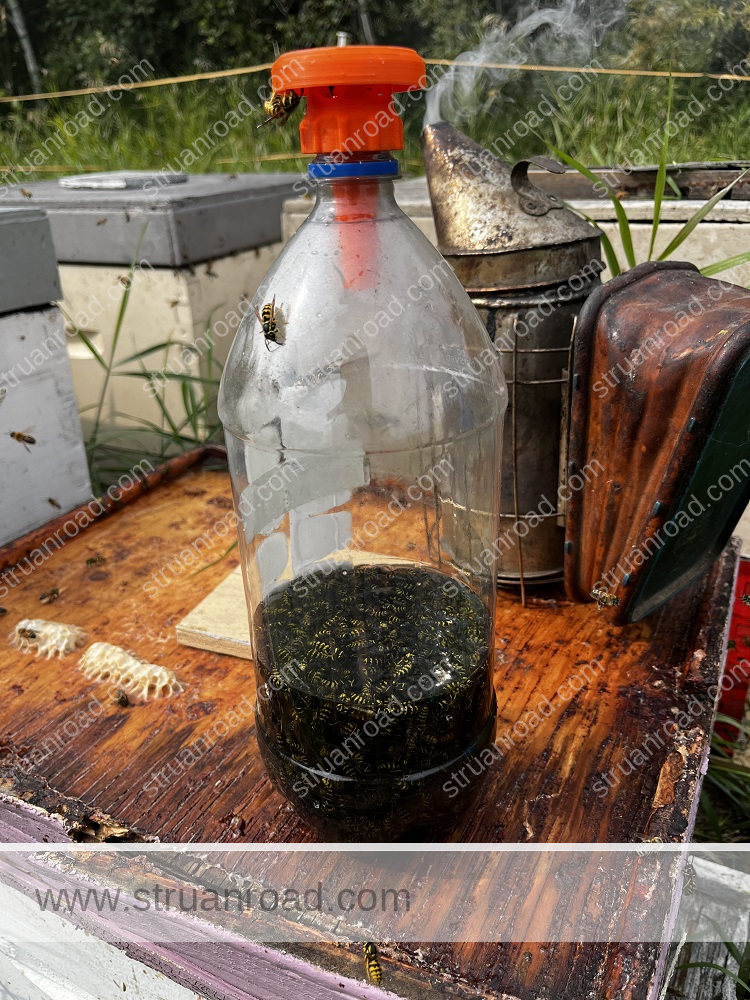
Wasps and hornet nests are often hard to find so trapping becomes necessary. In the spring, wasps and hornets are looing for protein sources to raise their young. Trapping them in the spring helps to reduce the strength of their hives before the summer onslaught. You may even trap some queens preventing the formation of a nest. Try cat food or small pieces of raw chicken.
In the summer, wasps and hornets turn to sweet things to feed themselves. The trick with sweet things is to not attract bees to the traps as well. Adding apple cider vinegar to the trap dissuades the bees as they do not like fermented foods.
We are selling wasp and hornet traps that we find work very well. Check them out in our shop.
Ants
Ants are another real threat to bee hives. Ant issues really vary by yard. Natural areas tend to be more anty than old homesteads or farm yards. Ants affect bee hives in a similar way to wasps. They weaken and kill hives. There small size makes it even harder for bees to protect themselves against. Ants sometimes build nest in the hive or hive equipment.
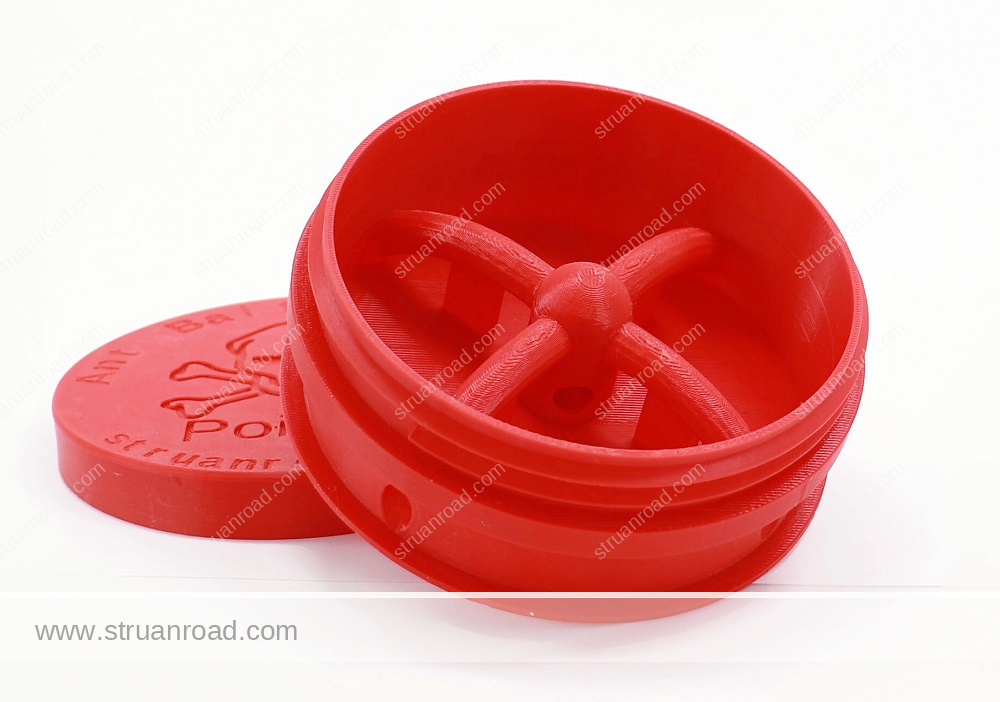
We have designed and produce a ant trap that is not accessible to bees. Check it out in our shop.
Internal Dangers
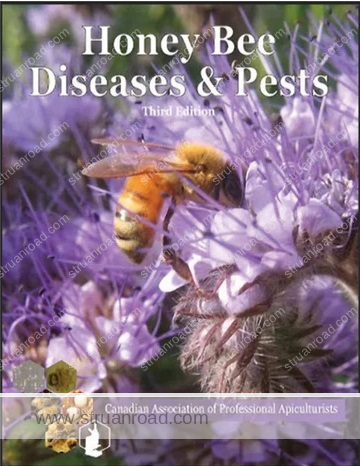
There are many pests and diseases that threaten bees. The major threats tend to change over time so it is important to keep up with the latest issues. I will be talking about the major problems that we have to deal with. There is a good book that every beekeeper should read, Honeybee Diseases & Pests by the Canadian Association of Professional Apiculturists.
Varroa Mites
Varroa destructor is currently the most dangerous pest of honeybees. It feeds on both the larva and adult bees, weakening and damaging them. They also spread viruses such as deformed wing virus. There are many treatments for mites. We have been using oxalic acid vapor and oxalic strips exclusively for years with great success.
Deformed Wing Virus
Deformed wing virus can occur at any time but if observed the first suspect would be varroa mites. The symptom of the virus is shrunken wings on the bees. The bees can not fly and often walk out of the hive to there doom.
Chalk Brood
Chalk brood is a fungus that kills brood. The best indicator for the fungus is dried up white chalky brood on the bottom board or in front of the entrance. This fungus can not survive at normal hive temperatures so is usually related to chilled brood. Keep the bottom board clean and the hive dry. There is no cure, and the replacement of the queen is usually the solution.
Nosema
Nosema is a unicellular parasite, recently reclassified as a fungus. It causes diarrhea like symptoms and is usually worst in the spring. Hives that do not thrive in the spring may have Nosema. Bees often defecate in the spring if they can not get out on cleansing flights so poop in the hive or on the entrance may not necessarily be Nosema. A sample of adult bees can be tested to find the level of Nosema spores and whether they need to be treated.