
Purpose
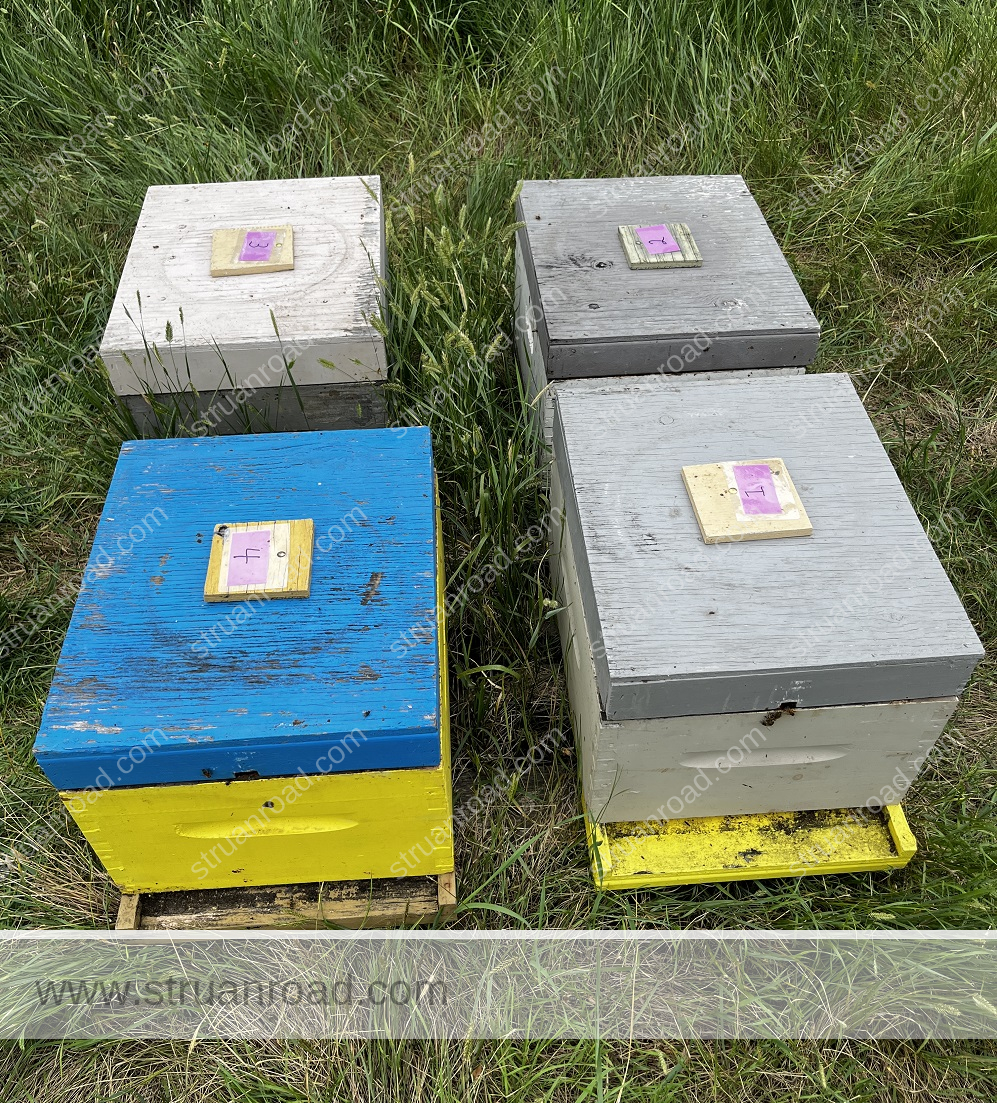
Last year we had four nucs left over and for years I have wanted to try a few things to see how these late nucs would fare. We will use nine frames in each second.
- We often get questions from people worried that their nucs will not grow to be strong enough to overwinter. Our early spring nucs are moved into singles at the end of May. Our late spring nucs are moved to singles the last week June. Our experimental nucs were moved into singles on July 6.
- It is generally accepted that bees will do better on built comb rather than foundation. We filled two of the singles with foundation and two with built comb. Built out comb is often hard to find for the starter beekeeper.
- We us a technique, expanding the brood nest, to encourage the bees and queen to enlarge the brood nest. This involves adding new frames between the established brood nest. The hive must be strong enough, with enough bees, to cover the new frames or you risk chilling the established brood.
The Nucs


The Queens
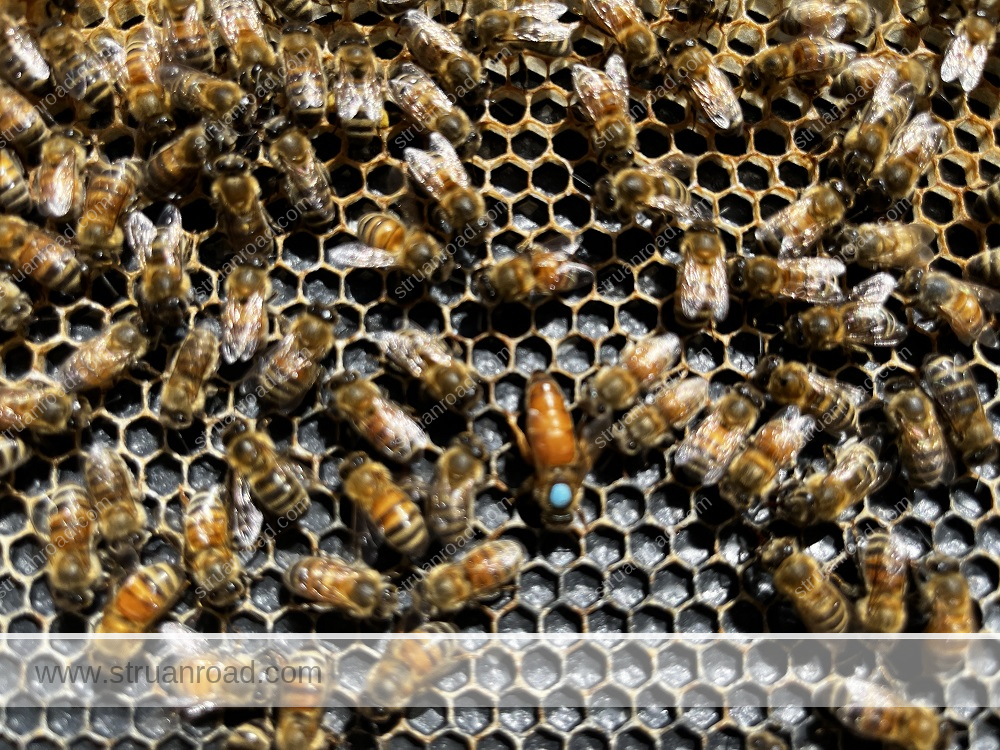
The queens are North Star, imported from Ontario. Queens one to three are marked, four is not.


July 6th, Moving to Singles
We moved the nucs into singles in the following order.
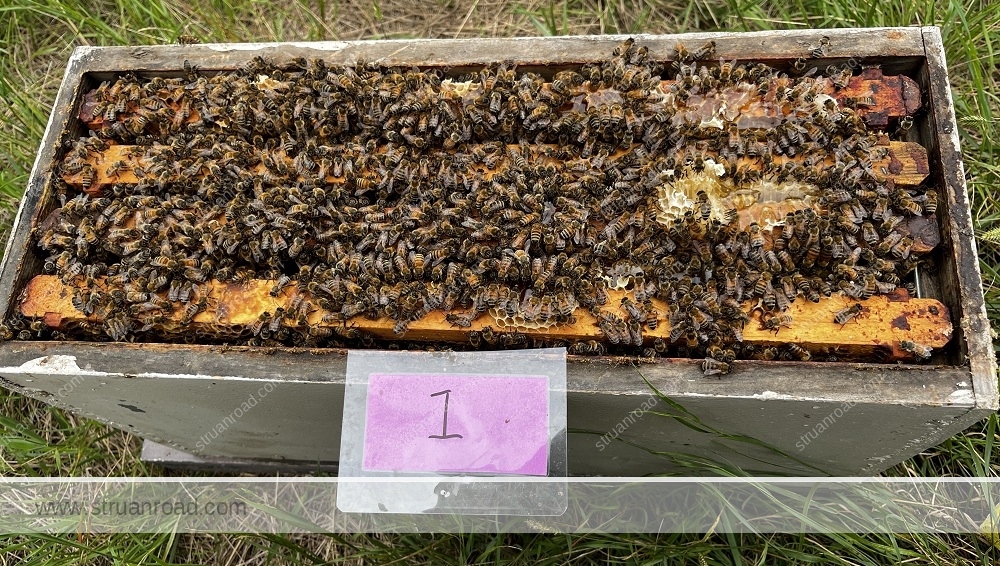
1. On foundation, No Brood Expansion
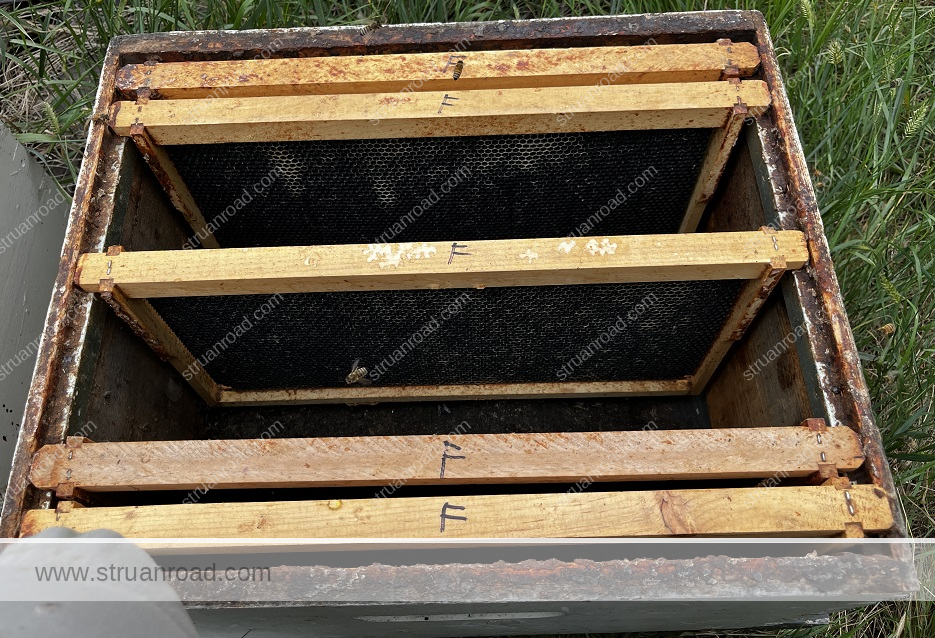
The foundation frames are marked with an F. We are adding 5 frames of foundation are the four frames from the nuc. It is important to keep the frames in the same orientation they were in in the nuc. It is also important to keep the foundation frames close together as if they are spaced, the bees may build comb between the frames rather than on its surface.


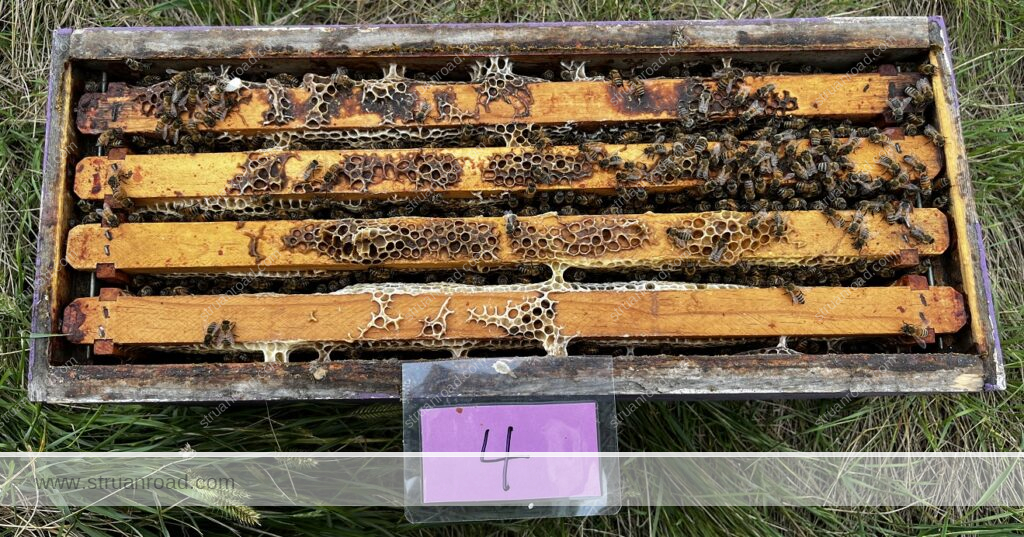
2. On Foundation, Brood Expansion
The foundation frames are marked with an F. We are adding 5 frames of foundation are the four frames from the nuc. This time we are placing one frame of foundation in the middle. The brood frames will go against the middle frame and the feed frames will go on the outside.

3. On Drawn, No Brood Expansion
This single is set up similar to number one except we are using drawn comb instead of foundation. Somehow I misplaced the image of once it was transferred. You get the idea.


4. On Drawn, Brood Expansion
This single is set up similar to number two except we are using drawn comb instead of foundation. Somehow I misplaced the image of once it was transferred, again. You get the idea.


Inspections
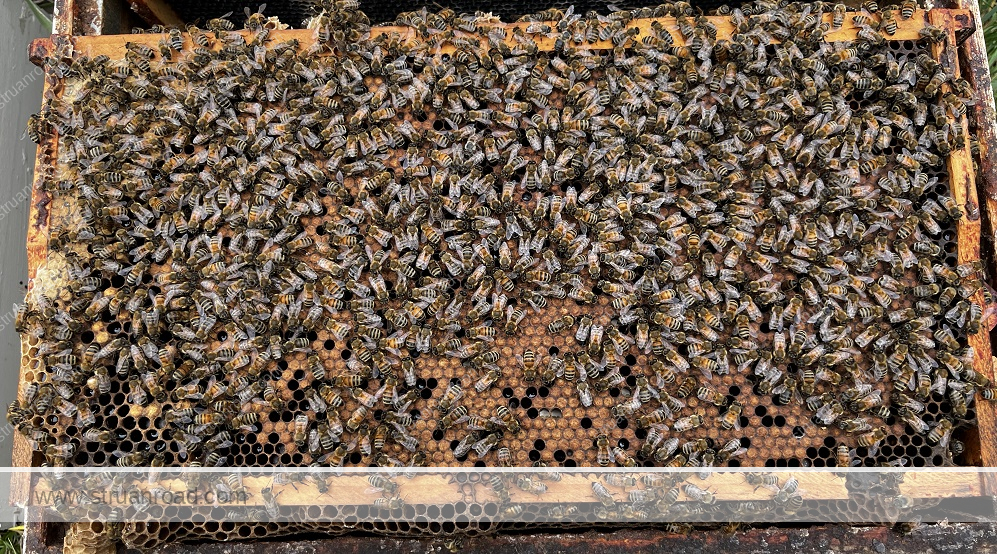
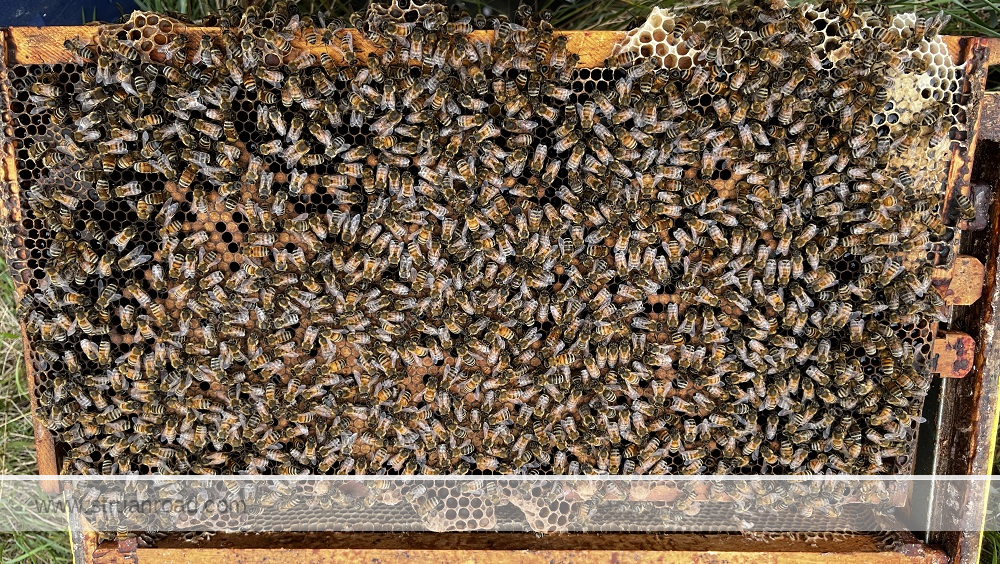
The expanded hives were inspected on July 13, July 31, and August 31. July 13, one week after they were expanded the bees are moving out onto the new frames. This is just at the start of the flow and we are not feeding them, other than the supplement polled feeder. July 31, about two and a half weeks after expansion, the flow is on and so are the bees. August 31, the flow is over and we are impressed with the progress they have made.
July 13
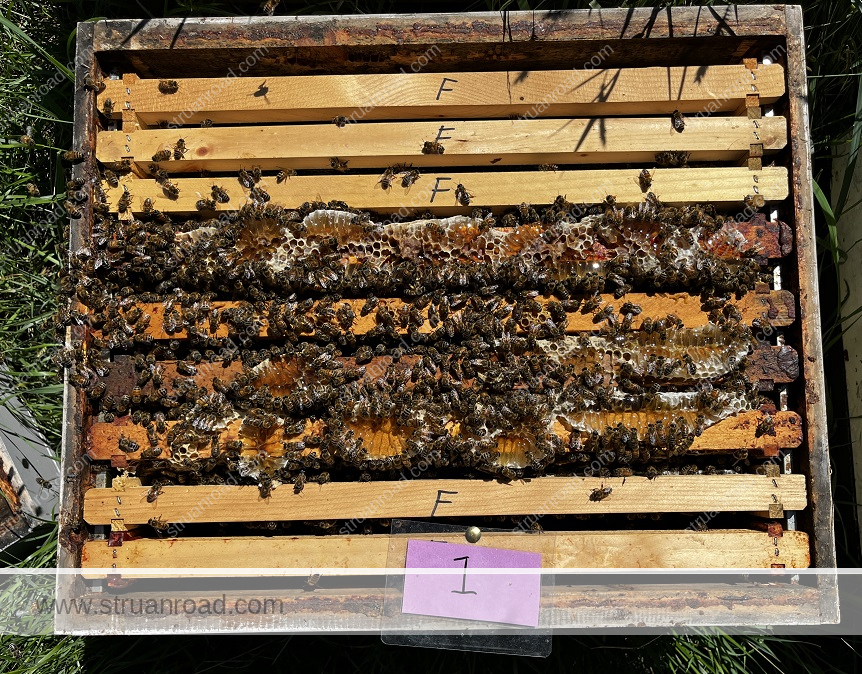
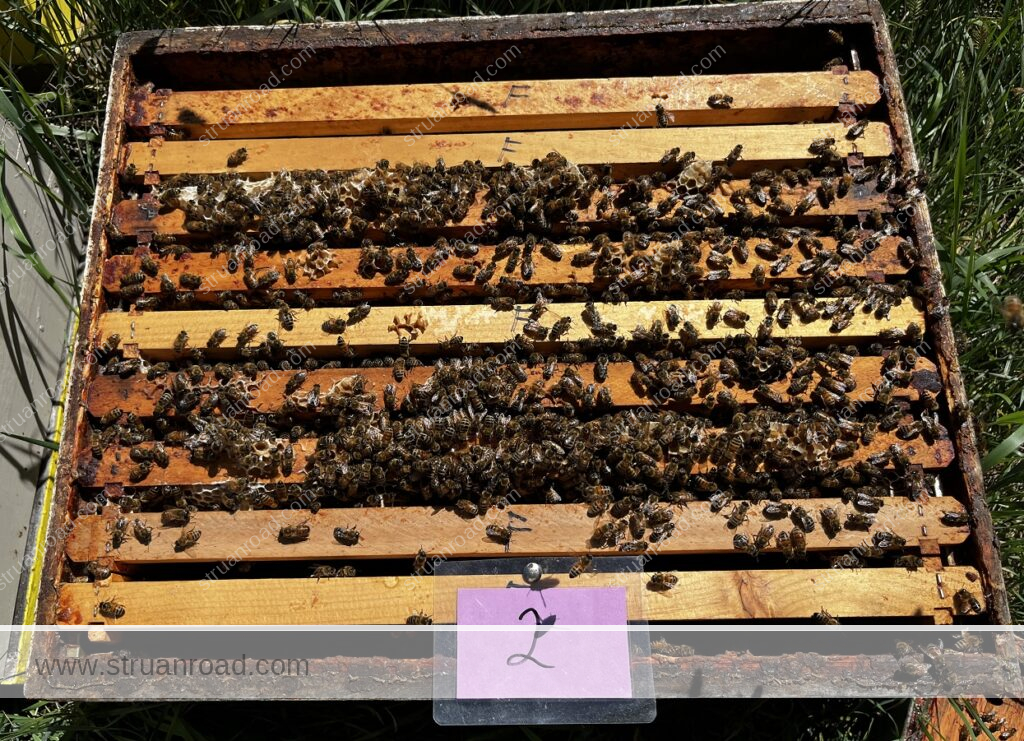
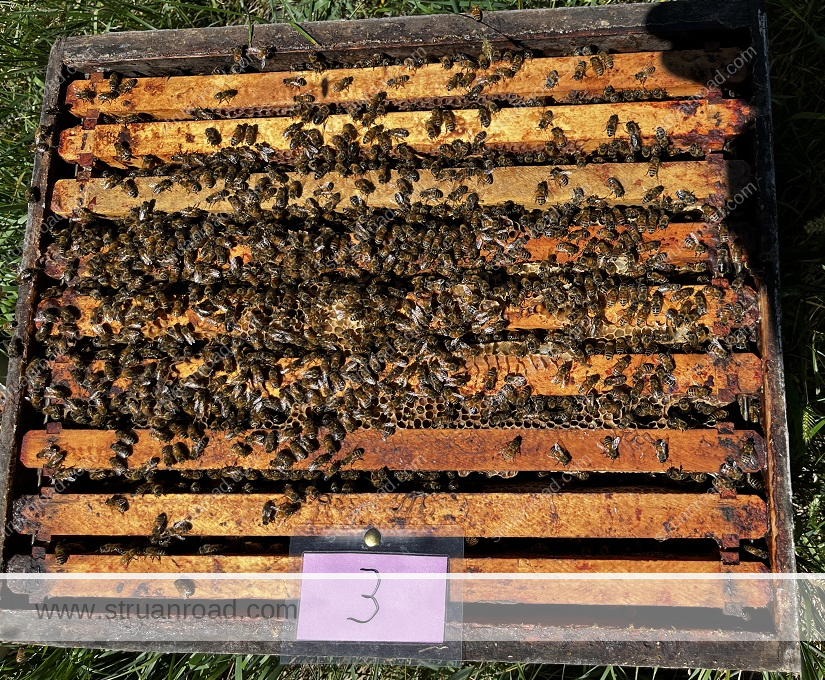
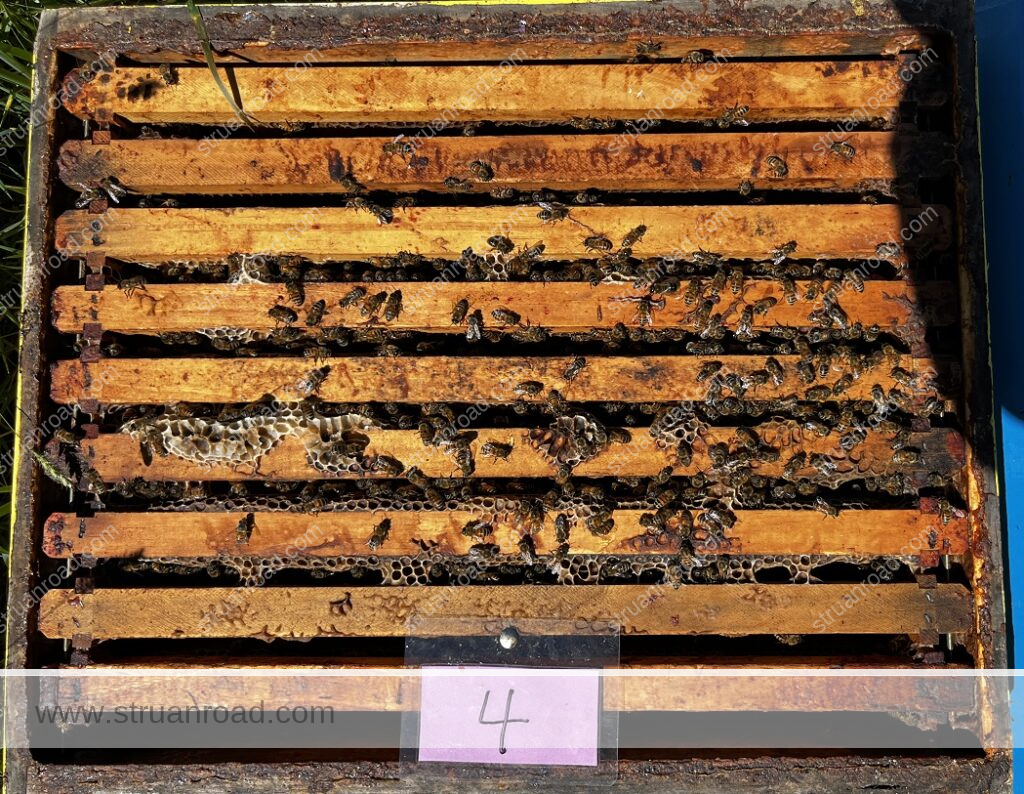
The bees are drawing the foundation and the queen is starting to lay in it.
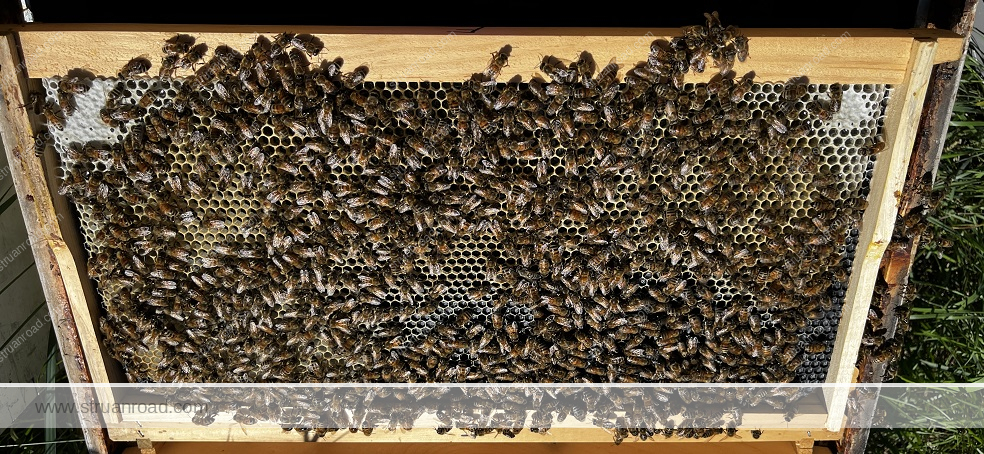
July 31
The hives are looking good. We added a second brood chamber with drawn comb. It is probably too late to ask the bees to draw out a full box of foundation. If absolutely necessary, a box of drawn comb with a few frames of foundation would be ok. Space each frame between drawn comb.
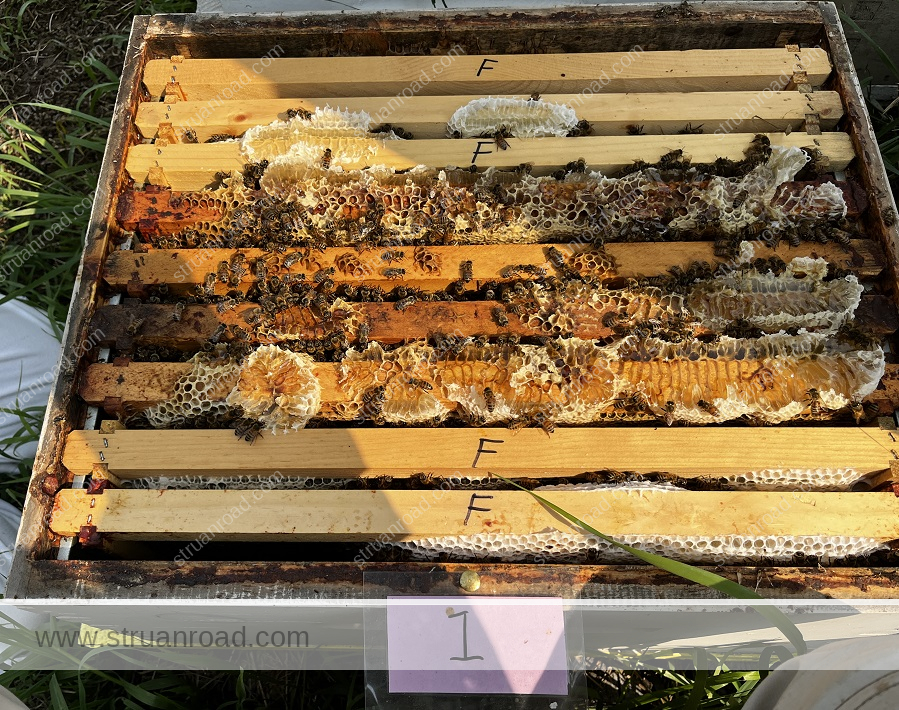


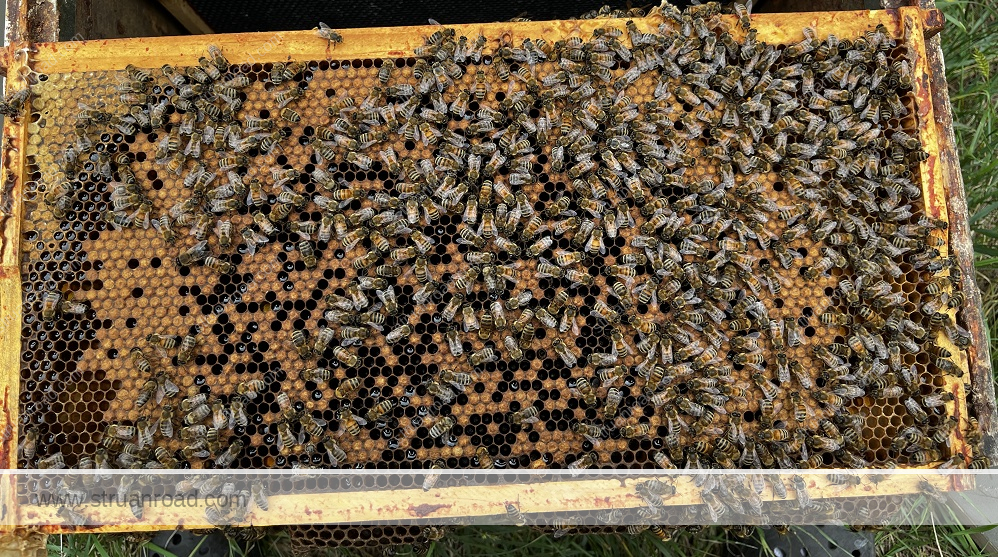
The bees have drawn and filled the outer foundation. The brood on the inner frames now takes up the entire frame.

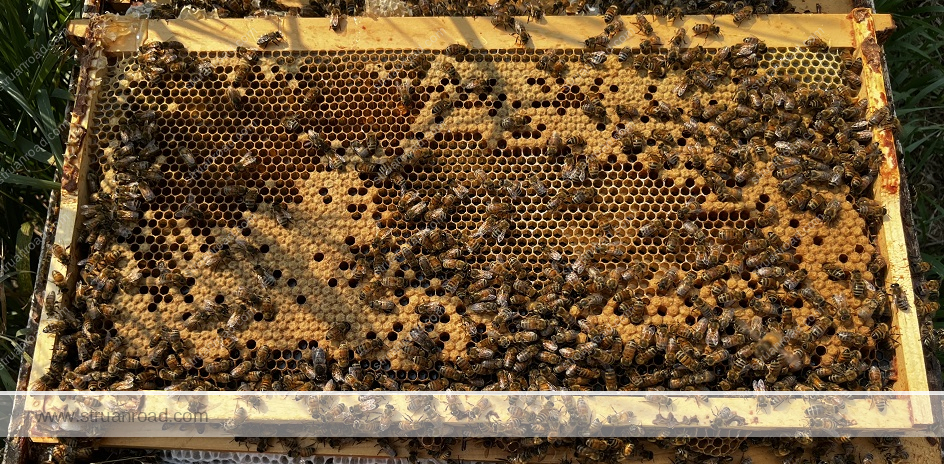
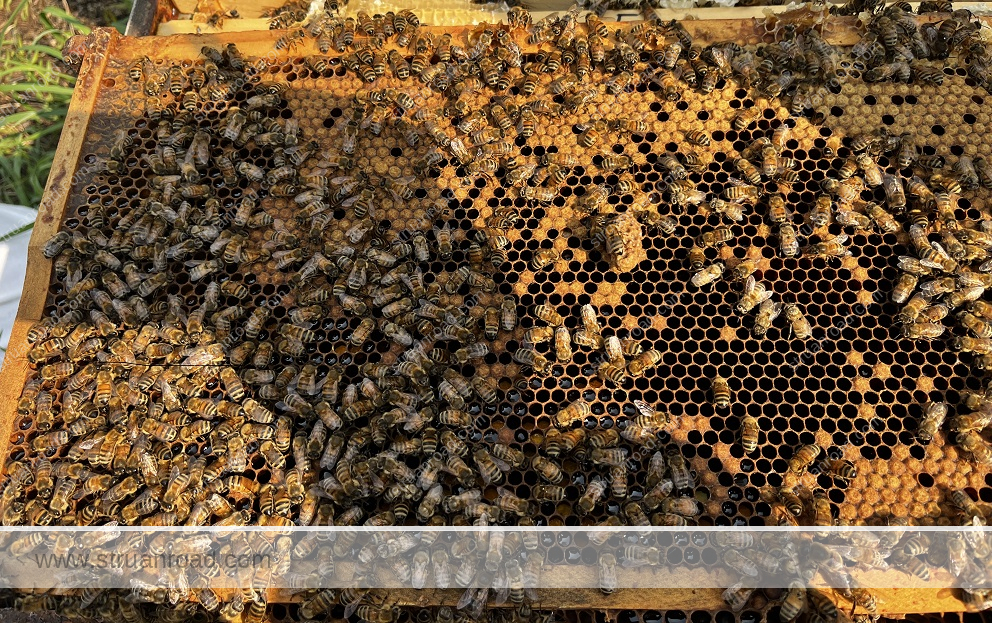
We did find a queen cell in hive one, threatening to swarm. I suspect they were feeling crowded because they could not build out the foundation fast enough for the queen to lay as much as she wanted. This could be one disadvantage to using foundation.
August 31
The flow is over. All four hives have pretty much filled the second box, mostly with honey and a little brood. The hives are really close in strength. These hives did not make any excess honey that we could harvest, a consequence of starting them so late.
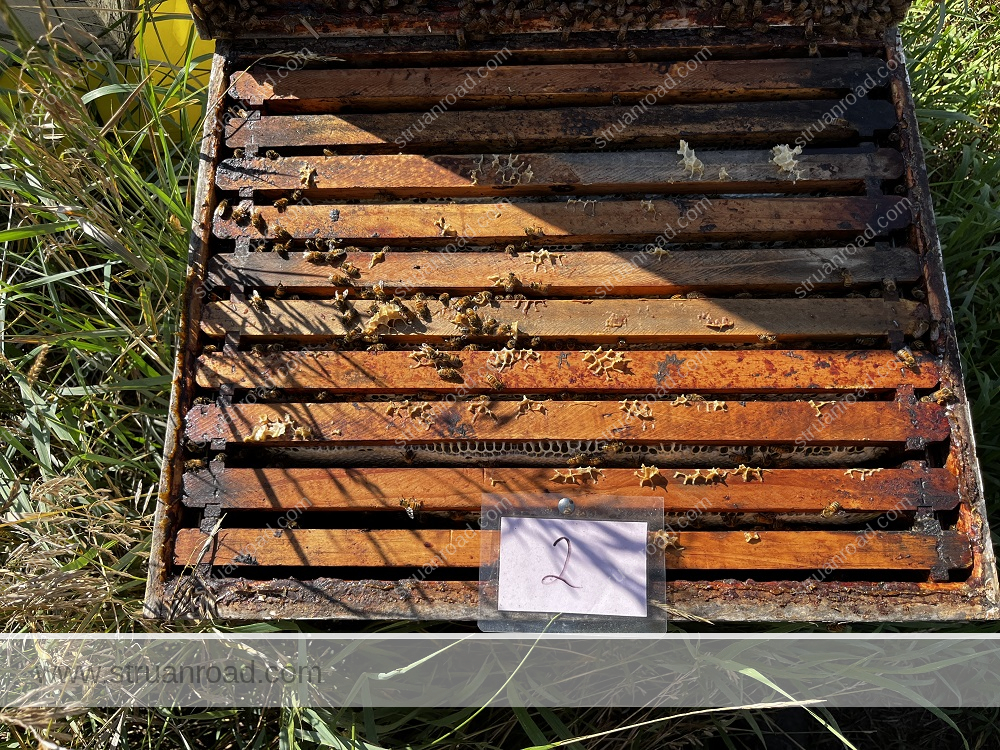
October 15
Time for winter wrapping. We fed the hives with sugar syrup and they have had their oxalic vapor treatments. The hives have increased in population and are looking quite good. We have every hope that they will make it through the winter and do really well next year. We will let you know.
Takeaways
This was not a scientific undertaking by any means but I was surprised by how little difference there was in the development of these four hives. Neither expanding the brood nest or using foundation seemed to make a difference in the progression of the hives. I will add another section once we can open the hives and see how the managed the winter.
Leave a Reply